The Ultimate Guide to Shoto Lightsabers for Duelists and Collectors
A shoto blade is shorter than a standard saber — usually somewhere around half the length. That shorter reach is exactly the point. Shoto Lightsabers let you move your wrist faster, spin tighter, and control the blade with a lot more precision once you’re fighting up close. Pair one with a full-size saber in the off-hand, which is how a lot of dual-wield duelists actually fight, and you end up with something fast and genuinely hard to predict.
Ahsoka Tano is really who put this style on the map, both in animation and later in live action. Her dual-wield approach is a big reason shoto lightsabers became such a favorite among cosplayers and collectors in the first place. Practically speaking, the shorter blade means you can rotate your wrist without clipping your own arm mid-spin — which sounds minor until you’ve actually tried Jar’Kai forms with a full-length blade in both hands and nearly hit yourself. That one detail is a big part of why demand’s stayed strong for years.
Weight balance changes as well and is noticeable the first time you pick one up. Shorter blades tend to have a lighter hilt and a more compact emitter, meaning the center of gravity is closer to your hand than one with a standard-length saber would be. You’ll fatigue slower over a long session, and parries and quick counters get noticeably crisper — the kind of edge that actually matters, whether you’re choreographing a fight scene or just sparring for fun.
The Appeal of an Ahsoka Shoto Lightsaber Among Collectors
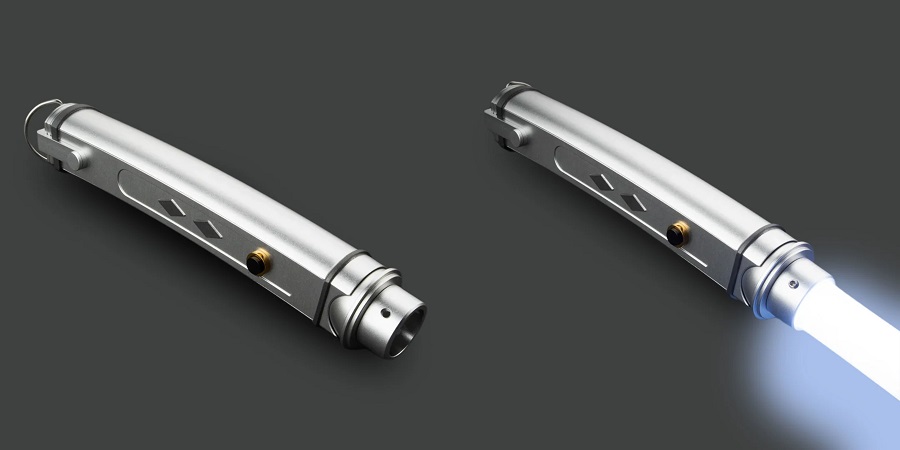
An Ahsoka Shoto Lightsaber captures something about her character that’s genuinely hard to fake — that mix of rebellious energy and graceful, controlled combat. The hilt usually has curved detailing, vents, and a slimmer grip sized to fit smaller hands comfortably. It’s not just a design choice, either — fans respond to how the saber mirrors her arc from padawan to full warrior, and that emotional thread is a big part of what drives sales here, more than the hardware alone.
A lot of collectors like to display it next to a full-length saber, recreating her signature dual-wield stance right there on the shelf. But it holds up fine on its own too. The compact size means it fits into tight display cases or crowded desk corners without a fuss, and you can light it up for a quick photo without knocking over everything around it — a small thing, but it matters more than you’d think.
Duelists like this saber specifically for the off-hand speed it brings to actual sparring. It rotates fast enough for feints and quick ripostes without any noticeable lag, and the shorter length cuts down on accidentally clipping your own leg mid-spin. Less frustration means longer practice sessions, and longer sessions tend to mean faster improvement — it kind of feeds itself that way.
Why the Ahsoka Yellow Lightsaber Stands Out on Screen
The Ahsoka Yellow Lightsaber carries real weight in the lore — wisdom, balance, a tie back to the Jedi Temple Guard specifically. And visually, that color just pops, whether it’s on screen or sitting on a shelf under normal light. Fans looking for something outside the usual blue-or-green choice tend to land here, mostly because yellow signals a deeper story connection rather than just being a different color for its own sake.
Combined with her shoto-style hilt, that yellow blade creates a sharp contrast against darker costume pieces especially. Cosplayers love it under convention lighting too — it photographs warmer than blue or green ever does, which is a big part of why it’s become such a favorite for social posts and costume showcases alike.
What Makes an Ahsoka Tano Yellow Lightsaber Special?
Sound design is where a lot of these builds really shine. An Ahsoka Tano Yellow Lightsaber often comes with ignition profiles built specifically around her character, with swings and clashes that feel true to her animated appearances. You actually hear the hum shift as you move through a form — a small detail, but it turns basic practice into something closer to storytelling.
Key Points to Know Before You Buy One
Don’t buy on looks alone. Compare core types, blade lengths, and hilt materials first. A good shoto should feel balanced in the hand — not front-heavy — and it needs to hold up to fast wrist work without falling apart after a few months. Worth checking too: does the blade detach easily for display or travel? That flexibility adds real long-term value.
Duelists should prioritize reinforced blades and secure retention screws above almost everything else. Collectors tend to care more about accurate finishes and character-specific emitter details instead. A genuinely well-built saber can satisfy both crowds at once — but it helps to know upfront which one you actually are, since that decision shapes everything else you pick.
Quick checklist that you might want to keep handy as you’re comparing the two:
● Confirm blade length, hilt material, core type, and battery setup
● Check warranty terms, return window, and replacement part availability
● Read reviews focused on durability, sound quality, and customer service
● Compare bundles, shipping costs, and current lightsaber sales before buying
● Choose a design that actually fits your display space and dueling style
Choosing the Right Shoto Lightsabers for Your Style
Determine your primary goal before anything else. If you are going to duel often, having a strong blade and good core is more important than any other attribute. Shoto Lightsabers built with aluminum hilts have superior resistance to bending and scratches over competing products. Collecting instead? Focus more on screen accuracy and finish quality. Either path works out fine — just be honest with yourself about which one you’re actually chasing.
Hand size and grip preference matter more than people expect. These sabers come in a range of diameters and textures. A slim neck looks elegant, sure, but it can tire your fingers out during a long spin session. A thicker grip trades some of that elegance for better control on heavier strikes. Test one in person if you can — otherwise, lean hard on detailed reviews, because comfort really does decide everything here.
Budget matters too, obviously, but a cheap saber tends to fail fast. Builds from reputable sellers cost more upfront, but they actually last. Keep an eye out for seasonal lightsaber sales and bundle deals to soften that cost. A fair price should get you solid electronics, a well-built hilt, and real support behind it — and that kind of investment tends to pay off every time you switch the thing on.
- First
- Previous
- Next
- Last

About the author
